

This is part 2 of a two-part post. If you missed part 1 and want to start from the beginning, click here.
The mask I wore
Here is the layer I didn’t see coming.
Beneath the exhaustion sat something older. For most of my life I coped through high performance and constant busyness. I was an achiever, a helper, the one who generally had it together. It worked beautifully. It also worked as a mask. As long as I was busy, I never had to sit still with a traumatic experience that happened during high school. In high school I wouldn’t have known to call it “bullying” or trauma, what it most resembles lately. Yet my clinical education is helping me call a thing “a thing”.
As one social rupture after another occurred during an inherently tumultuous adolescence, I coped by staying busy, or more accurately put, distracted. Busyness is one of the most socially rewarded forms of avoidance there is. My dad called me the “Energizer battery bunny: she just keeps going, and going…” And my mom told me recently that she would marvel privately: “My child is so strong”. No one asks you to slow down when you’re succeeding.
I was almost entirely alone in my suffering at a time when the developmental need for safety and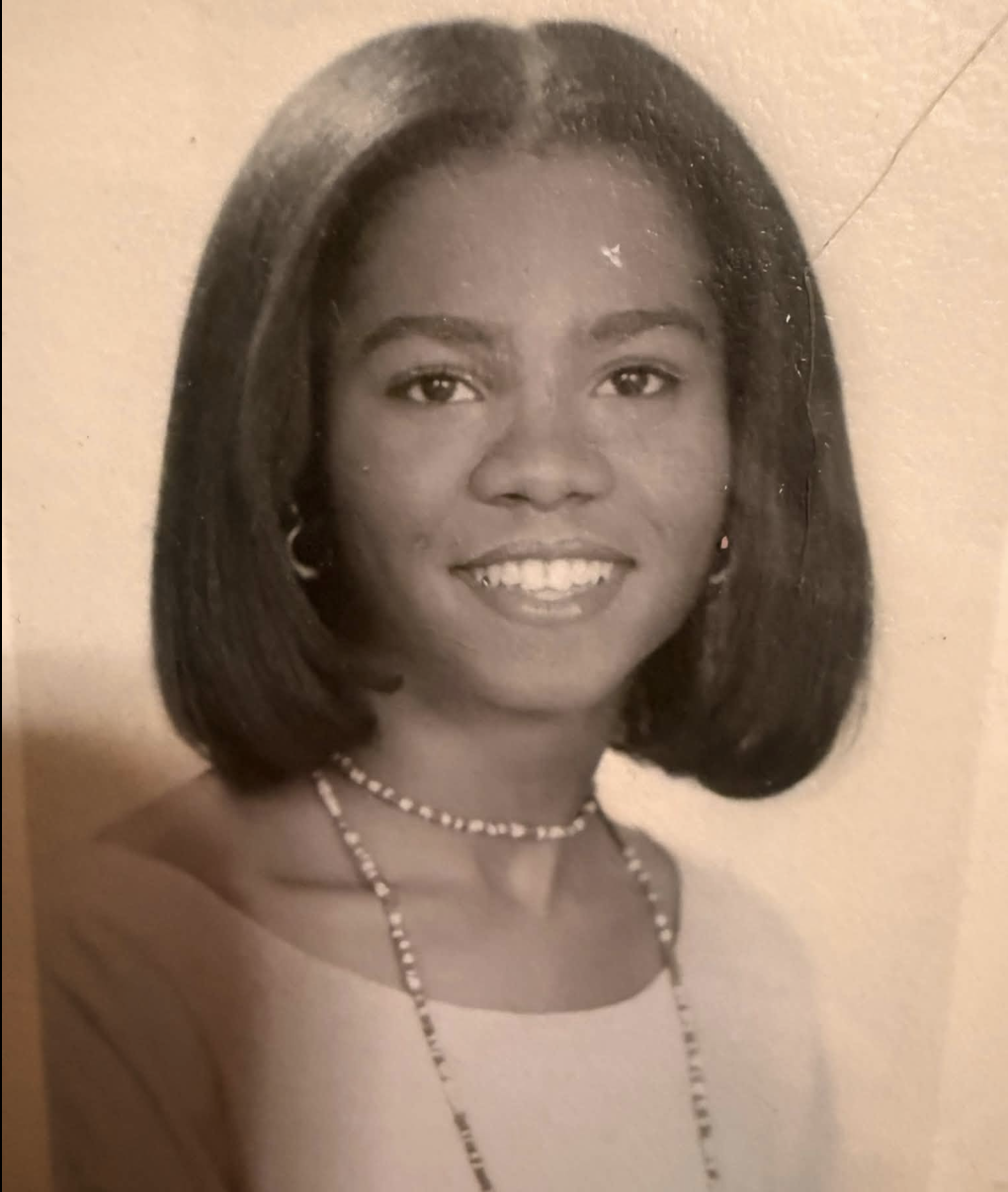 belonging were urgently needed. I feared that disclosure of my experiences to more than my mother would challenge unwitting observers to become allies, confront spineless bystanders, or alternatively, provoke retribution from powerful and influential people.
Looking back from middle adulthood with what I know now, I can hardly believe I survived those years. And though I did, the scars I accumulated impacted my relationships for years afterwards. I made friends easily, engaging socially like a well-trained extrovert with humor and charm. Yet an unconscious hypervigilance always lurked underneath, just waiting for evidence of betrayal.
What changed this pattern was not that I suddenly became more resilient. What changed was that I arrived somewhere safe. This summer I started at a new work environment, and I found myself among people whose values matched my sense of purpose. Relationships have developed that feel steady, kind, fun and unhurried. Arriving at a place that felt safe finally permitted my nervous system to do something remarkable: it let the unhealed parts of me to come forward.
I can’t claim to understand the exact mechanism. I only know the sequence. Safety came first, and then the old material surfaced, and it was clear that the adolescent wounds I’d outrun for decades needed my attention. It was frightening, mainly to realize how much unprocessed suffering I had buried, and it was also a liberating relief. My body had simply been waiting for the right conditions to complete the cycle of toxic stress.
Survival versus thriving
Looking back, I see that I’d been living in survival mode for years that became heightened after the 2020 election and during the pandemic. Survival mode is very good at looking like success. It runs on vigilance, over-functioning, and the belief that rest comes after the important stuff gets done first. It can get a person through grad school, a full-time job, and a clinical internship. What it can’t do is bring joy.
Thriving feels different. It’s curiosity instead of scanning. It’s play instead of performance. It’s being able to receive a compliment, savor a delicious meal, spend a Tuesday afternoon reflecting and writing.
It also changed how I understand my worst anxiety symptoms. When I was most depleted, my threat detection ran hot. I replayed conversations looking for hidden meaning. A neutral comment could feel like a verdict. I felt a low-grade suspiciousness, the mind scanning for danger because it had no reserves left to assume safety. I’m describing my own experience here, not diagnosing anyone. If suspicion or fear becomes persistent or intense, or begins to interfere with your life, please talk with a mental health professional.
When faith went quiet
Somewhere in those years, the faith I had always carried like a warm and comforting blanket went cold. It wasn’t a sudden or dramatic loss. It felt more like a radio drifting off its station. I confess that my habitual daily prayers often felt like a private obligatory performance. Against the backdrop of lying and cheating U.S. political leaders, a culture of ignorance and deliberate denial, and the moral and morale decline that follows increased living costs and socio-economic instability, institutional trust was an impossibility. Hope felt elusive. Meaning felt thin. I felt flat in a way I now recognize as depression, and cut off from the once crystal clear sense that anything larger was holding me.
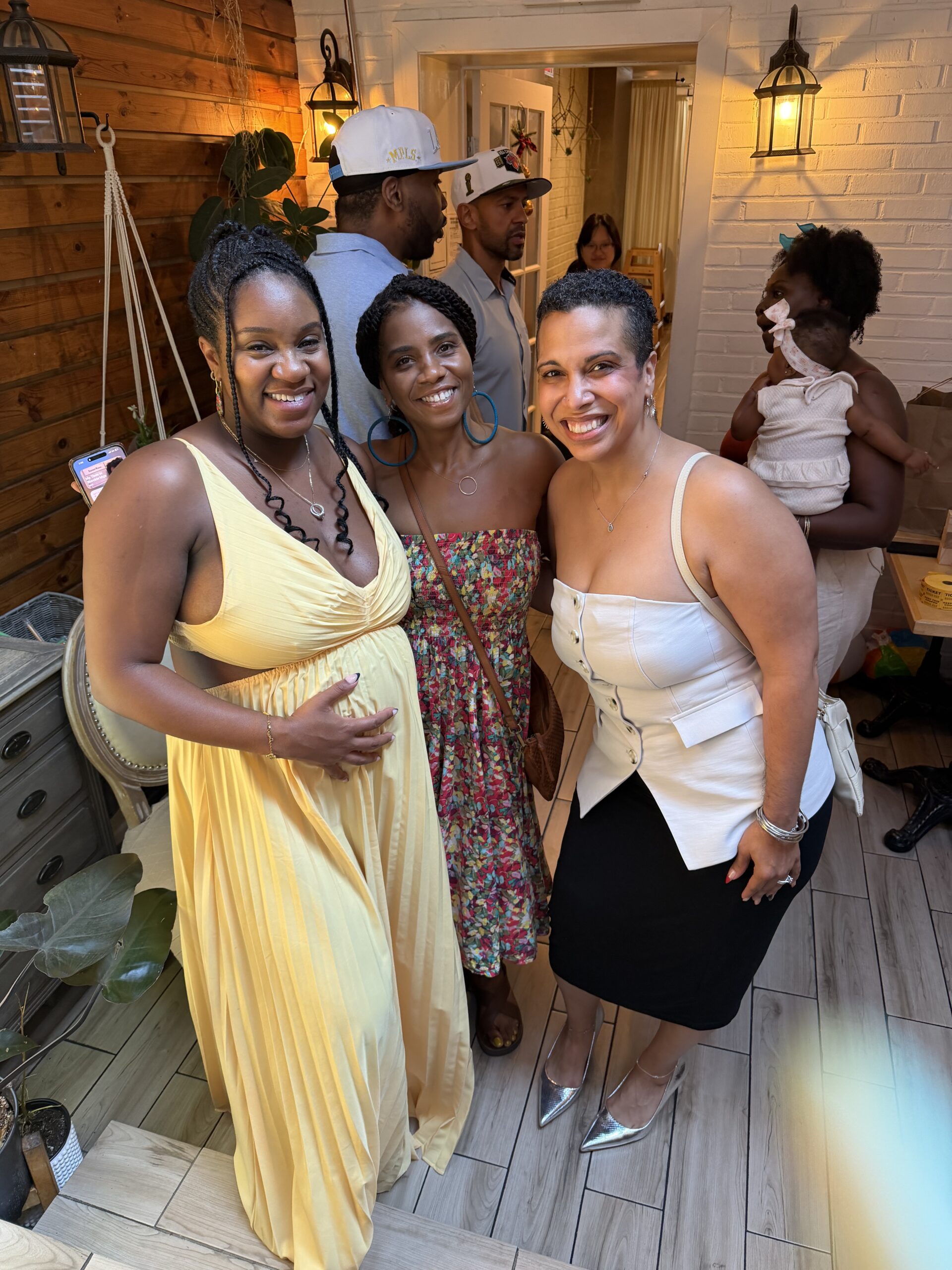 I don’t know exactly how to separate burnout, depression, and spiritual disconnection, and I suspect they were braided together. The exhaustion had dimmed the very instrument I used to perceive meaning. (Through all this, somehow I just kept going, like the Energizer battery bunny I had become.)
What I can tell you is how faith came back. It returned the way feeling returns to a limb that’s fallen asleep: tingling first, a little uncomfortable, then warmth. Memories would return as faded images at first, then slowly brightening the frame. I didn’t think my way back to it. I walked, rested, ate, wept, and bet on myself in a new part-time role as Upper School Counselor with no guarantee that my additional work in private practice would supplement my income enough to live comfortably in midlife. I surrounded myself with people I can trust and love, and one day I noticed I was trusting again. If your faith or sense of purpose has gone quiet, it may not be gone. It may be waiting for you to have enough reserves to hear it.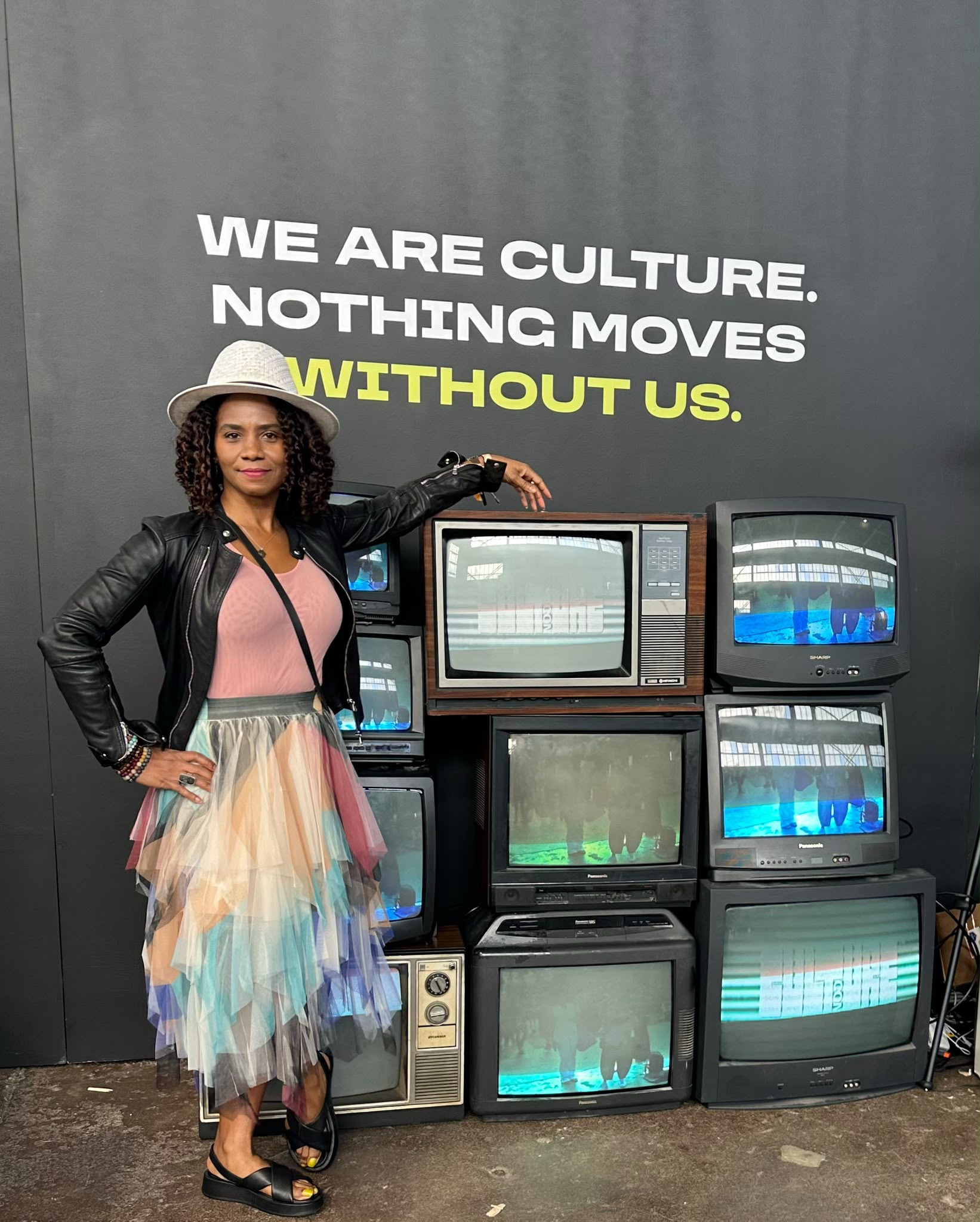
Falling back in love with the city
There’s a particular glee in rediscovering New York City when you’re no longer surviving it. For eight years of working full-time at a school, the city was a logistics problem: crowded and delayed trains, deadlines, a burdensome shoulder bag, and noise. Now I notice the street musician, advertisements for museum exhibits I’ve been meaning to visit, the marquee from the show Wanted and the events like CultureCon, the unexpected conversation in a line. I’m outside, a tourist in my own life, and it’s glorious.
 The tapestry
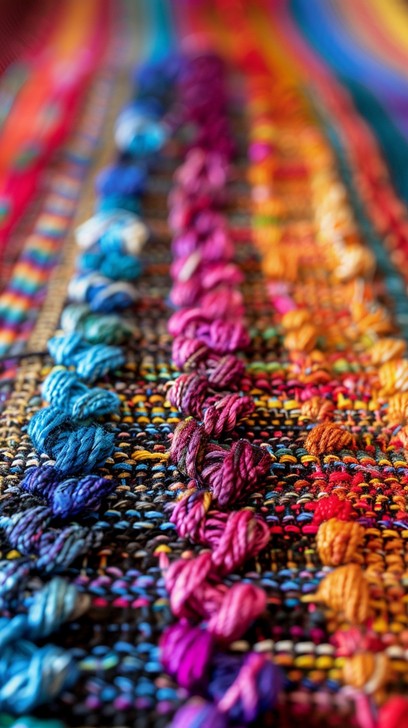
When I look back across the last 14-year stretch, I don’t see a straight line. I see a tapestry: the detours, the sometimes low-paying contractual work I took to make ends meet, or the professional development I prioritized to enhance a skillset, were never wasted time. The false starts, the people who passed through and changed me. Every thread I experienced including those I assumed were a waste of energy turns out to be holding up a mural. I feel, more than I’ve felt in a long time, a quiet trust in forces I can’t see that have been weaving something purposeful out of all of it.
What I feel most now is peace, gratitude, and alignment. And something I didn’t expect: power, not the loud kind, but the steady kind that comes from being at home in yourself.
I’m not who I was before the burnout. I’m more layered, and I’m learning to love the layers.
If you’re in the middle of it
You are not lazy, and you are not broken. You may be carrying more cycles than any body can complete in the time you’ve been given. Go gently. Complete one small cycle today: a walk, a breath, a hug that lasts twenty seconds, a good cry.
If you’d like a longer pause in a beautiful place, I’m leading a yoga and renewal retreat on the Greek island of Lefkada. It isn’t therapy or treatment, only room to breathe, rest, and come home to yourself.
This post reflects my personal experience and is not medical or mental health advice. If you’re struggling, please reach out to a healthcare or mental health professional. If you’re in crisis in the U.S., call or text 988.
[…] Continue to part 2 here. […]