
I didn’t notice I had been gone until I came back.
It happened on an unremarkable afternoon. I was preparing spaghetti all’Assassina in my kitchen for a friend and I on a Thursday. As I perfected the char on the spaghetti in my cast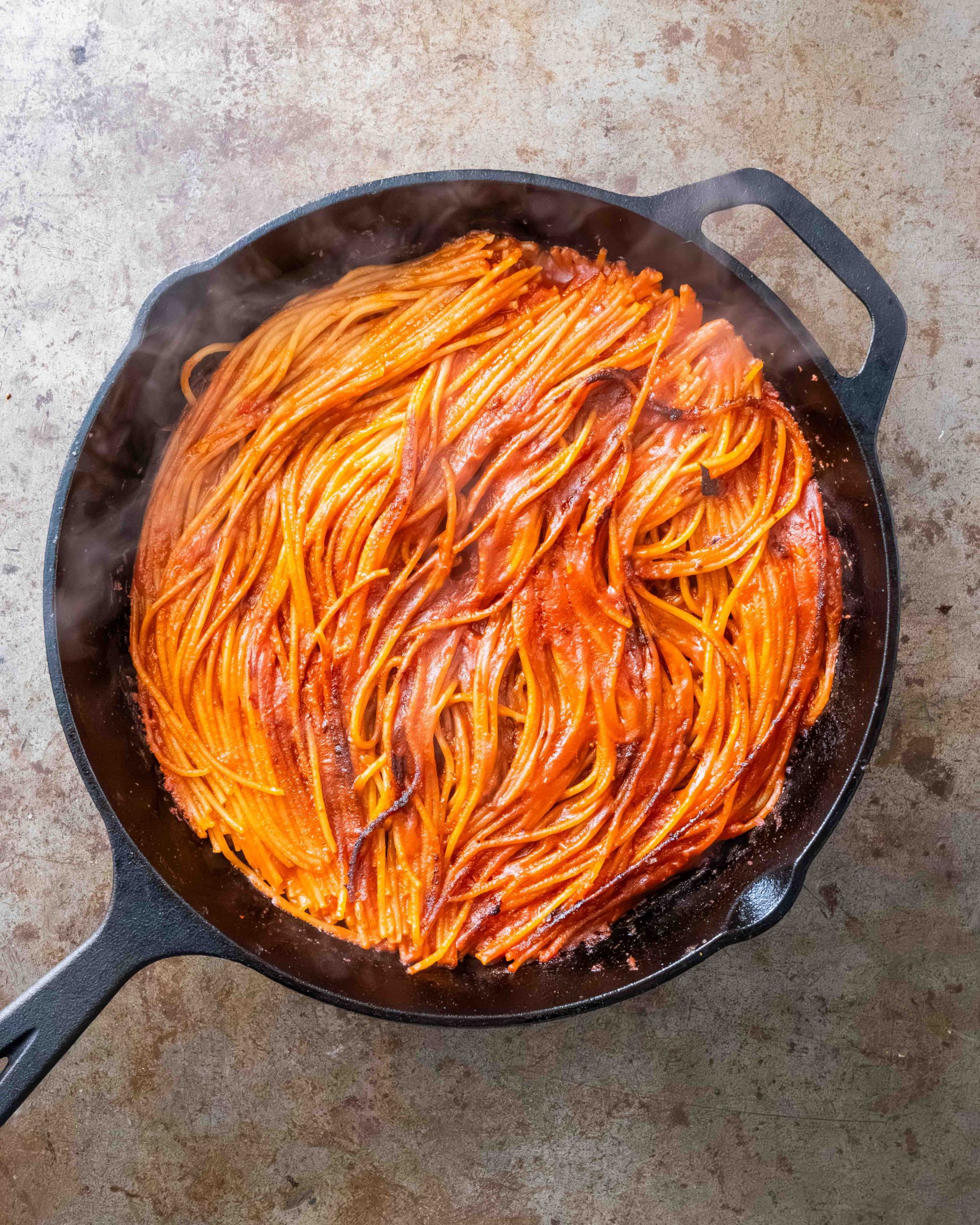 iron skillet, I noticed the ease with which I did it. As if I was born in Puglia, Italy and made the dish at least 50 times before. The smell of the garlic and chili flakes permeated my apartment in the way it often does in a comfort food-filled home. I noticed a warmth in my chest, the quiet yet discernible feeling of gratitude and contentment. Not a dish to photograph and drop into the text chain with my foodie friends. A dish with an unexpected explosion of flavor to savor. And I started to cry, because I noticed myself noticing it without feeling compelled to move on to the next bite or the next thing on my to do list. I realized that I hadn’t cooked for the ordinary pleasure of it in years.
For a long time I’ve been an extraordinarily competent ghost. After college, I started teaching elementary school in the equivalent of what are now called teaching fellows programs in Oakland, CA. After work, I took professional level dance classes throughout the East Bay and San Francisco. I spent my weekends in dance rehearsals for a professional contemporary dance company. I performed locally doing professional musical theater during my summers off. Eventually, I applied for drama school. During my first year, I worked as a cocktail waitress at a bar from 6pm to 12pm after I got home. I spent my summers doing that and waiting tables at the Cheesecake Factory in Union Square in San Francisco from 10am to 4pm. Are you seeing the pattern yet?
I brought this “grind, go, do” ethic with me to New York where I moved to pursue acting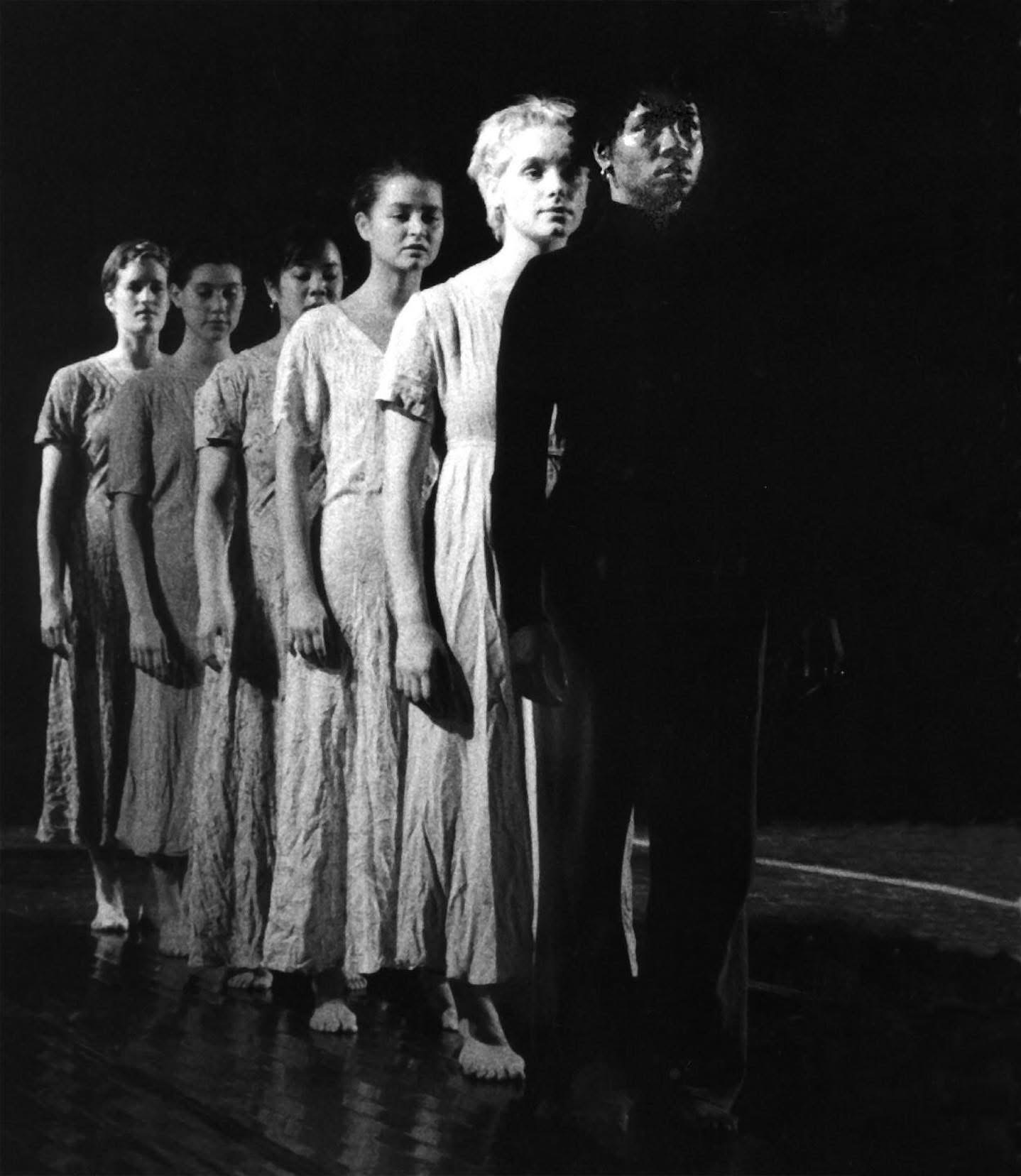 full-time. Like all pre-pandemic actors, I hustled throughout Manhattan to auditions, schlepping costume “changes”, my make-up bag and yoga clothes. Later, I worked full or over time as yoga teacher, teacher trainer and workshop presenter. In recent years, I taught full-time in the health and wellness department of K-12 school. Then I applied to a clinical program. I matriculated and added a full-time course load to my full-time school teaching role. I added a clinical internship to that load in my last year and a half of school. The latter three happened while my body moved through perimenopause, a transition that is rarely explained in advance and often mistaken when it arrives for a personal failing at best, and insanity at worst. In the second quarter of my life by most external measures, I was “successful”. Yet, I was also, in a way I couldn’t yet name, absent.
This is an essay about the slow, layered work of coming back. It isn’t a tidy recovery story. I think of it more as an excavation, the way an archaeologist works: small tools, patient hands, and no promise about what the next layer will hold.
How burnout snuck up on me
I used to think burnout meant working too much, and that the cure was working less. But yoga taught me that being mindful and deliberate in my approach to every area of my life supported stress relief. Then I recently read Emily and Amelia Nagoski’s Burnout: The Secret to Unlocking the Stress Cycle, and one idea stuck with me as I refreshed my understanding of burnout: the difference between the stressor and the stress.
The stressor is the deadline, the exam, the demanding professor. The stress is the physiological response that’s left behind in your body. We’re taught to deal with stressors: solve the problem, finish the paper, send the email. But finishing the paper doesn’t finish the cycle. The body needs its own completion or processing of stress, and the Nagoskis describe ways to do it: physical movement (which they believe, and I agree, to be the most efficient), breathing (when done attentively, slowly and deeeply, brings the parasympathetic nervous system online), meaningful social connection (safe and compassionate others also soothe our nervous systems), laughter (releases mood enhancing chemicals like dopamine and serotonin), affection, crying (the physical evidence of emotional processing and release), and creative expression (creative activity calms the body and stimulates the prefrontal cortex, where learning, creativity, compassion, and perspective-taking happen in the brain).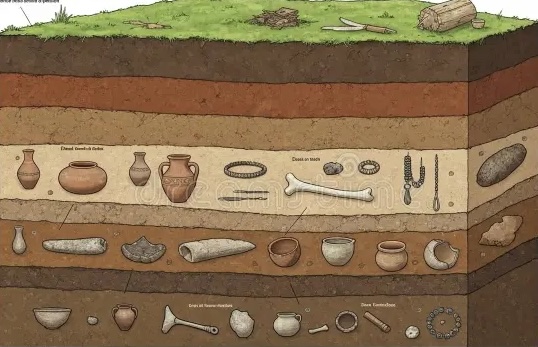
Through yoga and lifestyle changes I had spent years eliminating and often skillfully processing my stressors, but these last eight years of life culminated in an inflection point of incomplete stress cycles. They piled up on me like sediment.
Another idea that the book crystalized beautifully is what the authors call Human Giver Syndrome: the cultural expectation that women be giving, calm, and attentive to everyone else’s needs, while the cost of giving is quietly absorbed by the woman herself. Most women have mastered this. We can hold space for anyone, yet have no idea what we need.
The perfect storm
I want to be careful here. I’m a new clinician, not your doctor, and not mine. But I can tell you what I lived. Perimenopause arrived in the middle of the hardest stretch of my adult life, and many of my reactive behaviors turned out to be at least partly physiology: sleep that fragmented, a mind that felt wrapped in wool, a temperament like a live wire, a digestive system that seemed dysfunctional, a body that changed shape and temperature without consulting me, and a baseline anxiety I didn’t recognize.
What I’ve learned through experience since is that sleep disruption, cognitive changes, mood shifts, and changes in body composition are common in this transition, and that they can compound the effects of chronic stress. If you’re in it, I hope you find a menopause-informed provider and bring your whole list. I also hope you find ways to set boundaries on the number of stressors you experience on a day to day basis, so that restoring your body’s stress response isn’t thwarted by a chronically stressful lifestyle.
The body, returning
Recovery didn’t arrive as a breakthrough. It came back one small, unglamorous thing at a time.
Sleep. For years, sleep and I were the best of friends except on nights before auditions. During perimenopause, a night of restful sleep only occurred when heavily medicated and was few and far between. This dependency was unprecedented in an unsettling way for me, and there’s nothing more anxiety-producing than not getting enough sleep. My evening sleep routine is something I treat as infrastructure today. A consistent wind-down. A dark room. Ear plugs. A weighted blanket. Grace on the nights it doesn’t cooperate, because fighting sleep is the fastest way to lose it.
Food and gut. Loss of estrogen during the menopause transition threw my gut biome completely out of whack. I’ve learned to eat differently, regularly and calmly, with attention to what makes my body feel steady. I’m also fascinated by how closely the gut and brain talk to each other. I worked with a functional medicine doctor and nutritionist to understand what my digestion had been telling me about how to eat for this new body.
Brain fog. There were months (and still are occasions) when the word I wanted was just out of reach and I could read the same paragraph three times. It was frightening, especially for someone who supervised her father’s transition into memory care and whose identity rested on being sharp. The fog has lifted slowly, in layers, as finding my rhythm with sleep, food and digestion, regular strength-training, and stress started to improve. I don’t trust any single explanation, but I trust the pattern.
Weight and shape. During recovery from a surgery, I was inactive for longer than I prefer to be for the sake of my healing. Add that to menopausal body changes, and for a while the scale became another trigger for my already high anxiety. As I mentioned, I’m trying the previously untapped resources of my medical team. Through it all, I do my best to treat my body as a partner to listen to rather than a project to correct. Gone are the days when I could just think about dropping holiday pounds and then watch them slide right off me. Some days partnership works better than others. Yet my progress is steady overall, and I’m grateful for a resilient body.
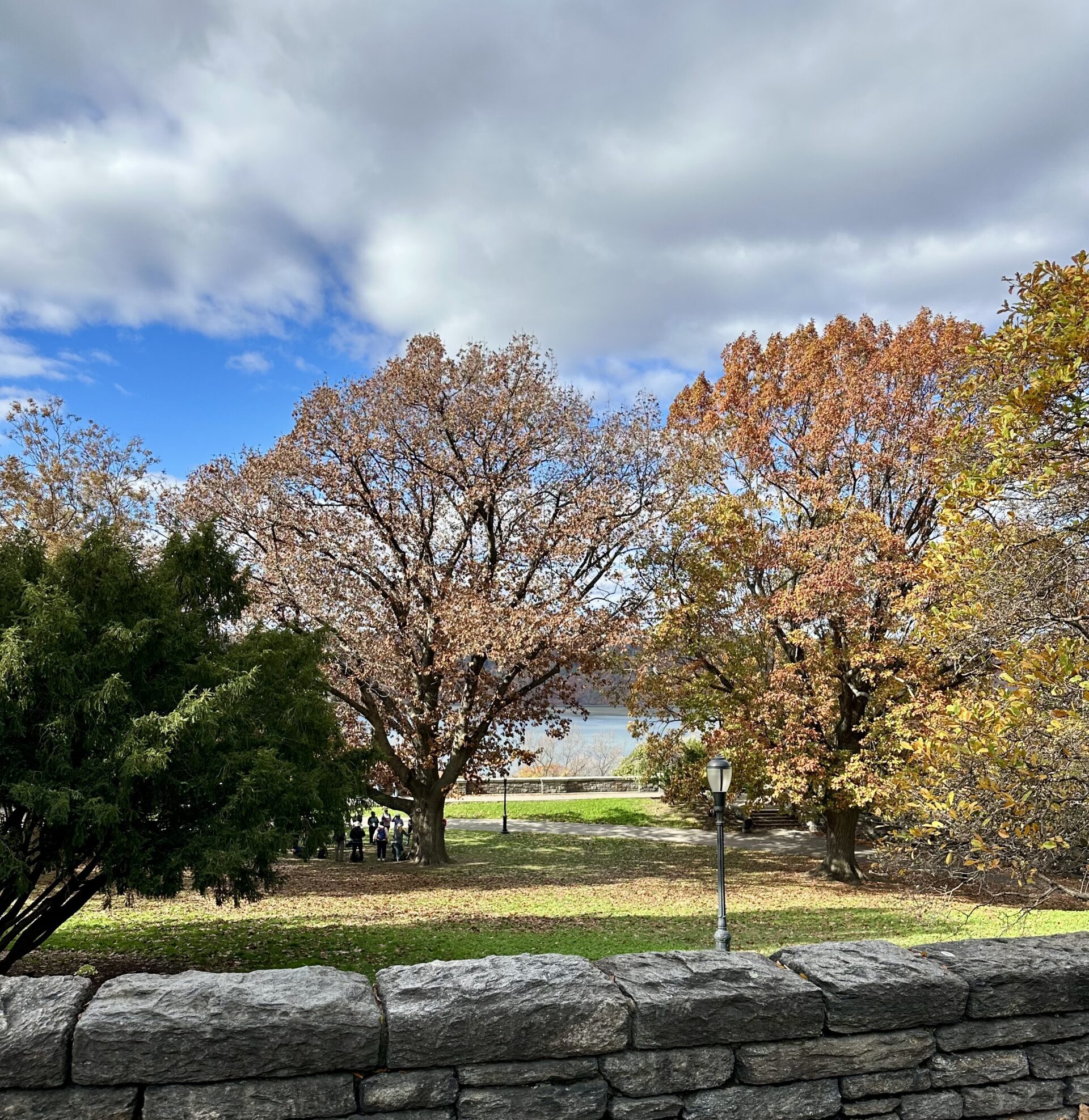
Pleasure in small things. I return to the aspects of recovery that surprise me most. I’ve fallen in love with cooking, for myself and for the people I love: a pot of something slow on a Sunday, a table that’s full, the smell of garlic doing its work. I’m back at the gym on a regular schedule because as a part-time employee, my work and private practice responsibilities no longer compete with my goal to pay rent and feel good in my own skin. I take long walks through Fort Tryon Park where my shoulders drop without my asking them to and views from the rocky cliffs of the the Hudson remind me of my own expansive nature and that there’s always a bigger picture. And I’m space, real space for quality time and intimacy with all my favorite humans. Burnout had quietly turned my most important relationships into whatever energy was left over. They deserved better, and so did I. And indeed, recovery feels like digging up old treasures that I’d forgotten.
Continue to part 2 here.
[…] This is part 2 of a two-part post. If you missed part 1 and want to start from the beginning, click here. […]